The 1-minute flight
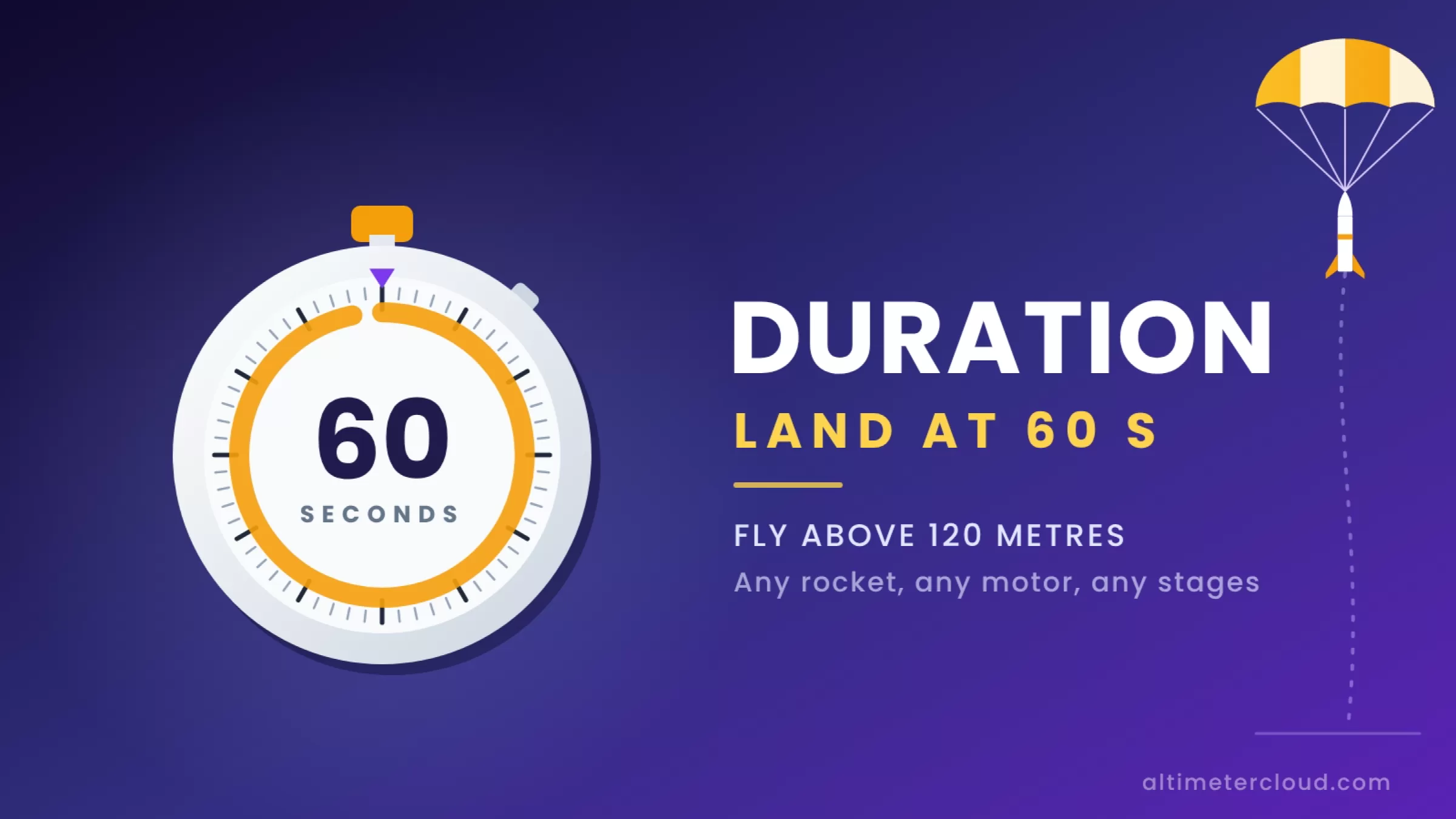
How close and accurate can you make a 60 second flight. From lift off to landing.
Target: 60 s
About this challenge
This one's fairly simple. Any rocket, any motor, any number of motors, and even any number of stages are fine.
All you need to do is fly above 120 metres and land as close to 60 seconds after lift-off as you can.
How the time is measured
From lift-off to the landing your altimeter logs. The flight also has to reach 120 m, so a low hop under a huge parachute won't count.
Tips for hitting 60 seconds
- Work out the descent rate you need. If your rocket reaches 150 m about 6 seconds after lift-off, it has 54 seconds to come down, so you want about 2.8 m/s.
- Size the parachute or streamer for that rate, and drop test it before the real flight.
- Deploy at apogee. A motor delay that fires early or late changes the whole descent; a flight computer deploying at apogee is far more repeatable.
- Watch the weather. Wind and thermals can add or take away seconds, so see how the day is flying before you commit.
- A slow descent drifts a long way. Pick your recovery with the size of the field in mind.
- Fly it more than once. You can enter as many flights as you like, and each one tells you how to tune the next.
Entering your flight
Upload the flight as normal, then fill in what the Required flight details tab lists on its flight page, such as the motor and the launch site, date and time. Then open the Add my flight tab here and pick it.
Fly safely, and follow the safety code of your club or national association.
Your altimeter works out height from air pressure using a standard atmosphere: the sea-level pressure and temperature in its settings, usually 1013.25 hPa and 15 °C. The real day is rarely standard. Cold air is denser, so an altimeter set for 15 °C reads high on a cold day and low on a warm one, by roughly 1% for every 3 °C, which is about 2 m at 200 m.
So every flight is judged on the height it really reached, we take the weather added to your flight for its launch site, date and time, and recalculate the whole log with it. It's the same adjusted apogee the flight page shows, and it's the one that scores.
How it pays
- First win
- Land within 3.0 s of the target
- After that
- Get 0.5 s closer than the last winning result
- Your own result
- Beating it pays again
- Points paid
- Once we have checked the entry
- Dates
- From 5 Nov 2026
Required altimeters
The flight is checked against the altimeter that recorded it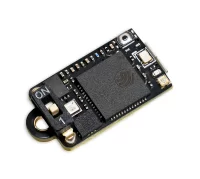
- Hardware
- Rev 4 or later
- Firmware
- 1.65 or later
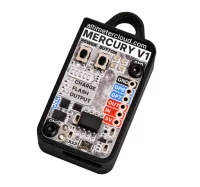
- Hardware
- Rev 1 or later
- Firmware
- 2.50 or later
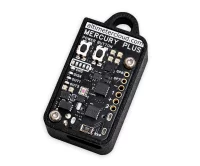
- Hardware
- Any revision
- Firmware
- 1.02 or later
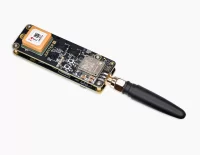
- Hardware
- Any revision
- Firmware
- 1.00 or later
Required flight details
Everything is checked when you add a flight- Your own flightFrom an altimeter on your account, and a real flight rather than a test.
- Motor addedAdded to the flight on its flight page.
- Launch siteSet on the flight page.
- Launch date and timeSet on the flight page.
- Launch weatherAdded to the flight once its site, date and time are set. Altitudes here are corrected for it.
- Flown during the challengeOn or after 5 Nov 2026.
- Apogee of at least 120 mCorrected for the launch weather.
Your altimeter works out height from air pressure using a standard atmosphere: the sea-level pressure and temperature in its settings, usually 1013.25 hPa and 15 °C. The real day is rarely standard. Cold air is denser, so an altimeter set for 15 °C reads high on a cold day and low on a warm one, by roughly 1% for every 3 °C, which is about 2 m at 200 m.
So every flight is judged on the height it really reached, we take the weather added to your flight for its launch site, date and time, and recalculate the whole log with it. It's the same adjusted apogee the flight page shows, and it's the one that scores.