B-Class motor altitude record
B CLASS
A kihívásról
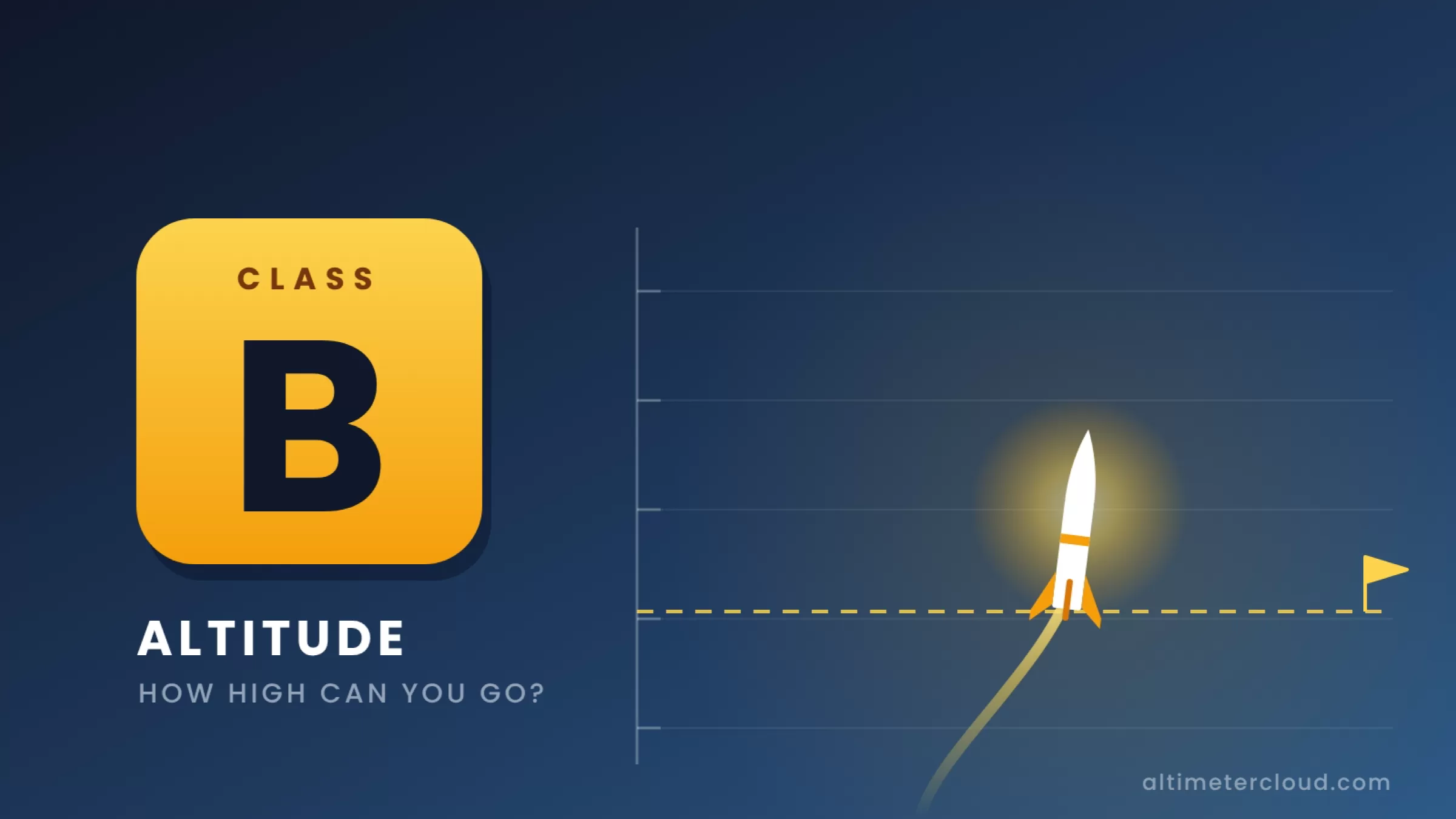
A B motor gives you 2.51 to 5 Ns of total impulse, double an A, and it's where a lot of first rockets start. This challenge is simple: fly the highest model rocket you can on a B motor, logged with an Altimeter Cloud altimeter.
The first flight past the height shown on this page wins. After that, every flight that beats the last winning height by 12% wins again, so the bar keeps climbing.
Which motors count as a B?
Any motor with 2.51 to 5 Ns of total rated impulse, such as the 18 mm Estes B6-4 and B4-4 and the Klima B4-4, B4-6 and B4-8's. The class goes by the total for the whole flight, so two B motors in a cluster make a C and won't count.
This is for single motors only.
Tips for flying high on a B
- Go small and light. An 18 mm minimum diameter rocket, where the body tube is the motor tube, has far less drag than a typical kit.
- Keep the finish smooth, with an ogive nose cone and thin, sanded fins.
- Pick a delay that fires near apogee. Too early costs you height; too late and the rocket is coming down fast when the recovery opens.
- Use a streamer rather than a big parachute, so it comes down near the pad.
- Fly on a calm day, straight up. Every degree off vertical costs height.
- The altimeter is part of the weight. Weigh the rocket ready to fly and enter the lift-off weight on the flight page.
Entering your flight
Upload the flight as normal, then on its flight page add the motor and the lift-off weight, and set the launch site, date and time. Then open the Add my flight tab here and pick it. Your altimeter's accelerometer measures the burn, which proves the motor really was a B.
Heights are corrected for the day's weather, so a cold day doesn't give anyone a head start.
Fly safely, and follow the safety code of your club or national association.
Az altimétere a légnyomás alapján számít ki magasságot egy standard atmoszféra használatával: a tengerszinti nyomás és hőmérséklet a beállításaiban, általában 1013,25 hPa és 15 °C. A valódi nap ritkán szabványos. A hideg levegő sűrűbb, így az altimétere 15 °C-nak beállított hideg napon magasabb, meleg napon alacsonyabb értékeket mutat, nagyjából 1%-kal minden 3 °C-nél, ami körülbelül 2 m 200 m-nél.
Ahhoz, hogy minden repülést az elért valódi magasság alapján értékeljenek, az indítóhely, dátum és időponthoz tartozó időjárási adatokat vesszük figyelembe, és az egész naplót újraszámítjuk. Ez az ugyanaz a korrigált apogee, amit a repülés oldal mutat, és ez az, amely értékelésre kerül.
Hogyan működik
- First win
- Reach 250.0 m
- After that
- Beat the last winning result by 12%
- Your own result
- Beating it pays again
- Points paid
- Once we have checked the entry
- Dates
- From 5 Nov 2026
Szükséges altimételek
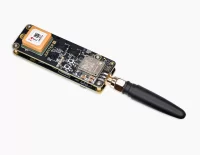
A repülést az azt rögzítő magasságmérő alapján ellenőrzik
- Hardver
- Rev 4 or later
- Firmware
- 1.65 or later
- Hardver
- Rev 1 or later
- Firmware
- 2.50 or later
- Hardver
- Any revision
- Firmware
- 1.02 or later
- Hardver
- Any revision
- Firmware
- 1.00 or later
Szükséges repülési részletek
Minden ellenőrizve van, amikor hozzáadod a repülést- Your own flightFrom an altimeter on your account, and a real flight rather than a test.
- A B motorAdded on the flight page. The class is the total rated impulse of the flight's motors: B is 2.51 to 5 Ns.
- Single motorOne motor on the whole flight: no cluster and no staging.
- Single stageCounted from the stages of the motors added on the flight page.
- Motor proven by its burnThe total impulse measured from the altimeter's accelerometer and the lift-off weight has to be within 20% of the rated motor, as NFPA 1125 allows.
- Lift-off weightEntered on the flight page.
- Launch siteSet on the flight page.
- Launch date and timeSet on the flight page.
- Launch weatherAdded to the flight once its site, date and time are set. Altitudes here are corrected for it.
- Flown during the challengeOn or after 5 Nov 2026.
Az altimétere a légnyomás alapján számít ki magasságot egy standard atmoszféra használatával: a tengerszinti nyomás és hőmérséklet a beállításaiban, általában 1013,25 hPa és 15 °C. A valódi nap ritkán szabványos. A hideg levegő sűrűbb, így az altimétere 15 °C-nak beállított hideg napon magasabb, meleg napon alacsonyabb értékeket mutat, nagyjából 1%-kal minden 3 °C-nél, ami körülbelül 2 m 200 m-nél.
Ahhoz, hogy minden repülést az elért valódi magasság alapján értékeljenek, az indítóhely, dátum és időponthoz tartozó időjárási adatokat vesszük figyelembe, és az egész naplót újraszámítjuk. Ez az ugyanaz a korrigált apogee, amit a repülés oldal mutat, és ez az, amely értékelésre kerül.