Fly a two stage rocket to 300 meters
There's something special about watching a sustainer light in the air. This one's for the fun of it: fly a two stage rocket past 300 m, on any motors you like, and you're in the club. It isn't a race. Everyone whose flight reaches 300 m wins the points, once each. Fly as often as you like: your later flights go on the leaderboard, but the points are paid once per flyer.

A kihívásról
There's something special about watching a sustainer light in the air. This one's for the fun of it: fly a two stage rocket past 300 m, on any motors you like, and you're in the club.
It isn't a race. Everyone whose flight reaches 300 m wins the points, once each. Fly as often as you like: your later flights go on the leaderboard, but the points are paid once per flyer.
What counts
A two stage flight: a booster and a sustainer, on any motors. The stages are counted from the motors you add on the flight page, so add both, each in its own stage.
Tips for a good two stager
- With black powder motors, a booster with a zero delay, such as a C6-0, lights the sustainer directly as it burns out. Keep the joint between the stages snug and the sustainer's nozzle clear.
- Composite motors don't light that way, so stage them electronically from a flight computer.
- Pick a sustainer delay to suit the long coast. Two stagers climb further than you might expect.
- The booster needs recovery too. A streamer or tumble recovery brings it down safely.
- Fly on a calm day, straight up, in a big field.
- Weigh the rocket ready to fly, both motors in, and enter the lift-off weight on the flight page.
Entering your flight
Upload the flight as normal, then on its flight page add both motors, each in its stage, and set the launch site, date and time. Then open the Add my flight tab here and pick it.
Fly safely, and follow the safety code of your club or national association.
Az altimétere a légnyomás alapján számít ki magasságot egy standard atmoszféra használatával: a tengerszinti nyomás és hőmérséklet a beállításaiban, általában 1013,25 hPa és 15 °C. A valódi nap ritkán szabványos. A hideg levegő sűrűbb, így az altimétere 15 °C-nak beállított hideg napon magasabb, meleg napon alacsonyabb értékeket mutat, nagyjából 1%-kal minden 3 °C-nél, ami körülbelül 2 m 200 m-nél.
Ahhoz, hogy minden repülést az elért valódi magasság alapján értékeljenek, az indítóhely, dátum és időponthoz tartozó időjárási adatokat vesszük figyelembe, és az egész naplót újraszámítjuk. Ez az ugyanaz a korrigált apogee, amit a repülés oldal mutat, és ez az, amely értékelésre kerül.
Hogyan működik
- To win
- Reach 300.0 m
- Pays
- 500 points to every flyer who makes it
- Once each
- Your later flights go on the leaderboard but don't pay again
- Points paid
- Once we have checked the entry
- Dates
- From 5 Nov 2026
Szükséges altimételek
A repülést az azt rögzítő magasságmérő alapján ellenőrzik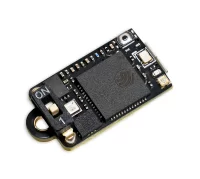
- Hardver
- Rev 4 or later
- Firmware
- 1.65 or later
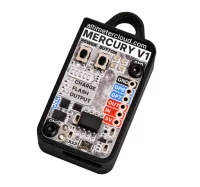
- Hardver
- Rev 1 or later
- Firmware
- 2.50 or later
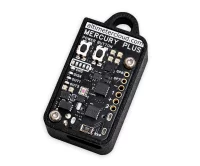
- Hardver
- Any revision
- Firmware
- 1.02 or later
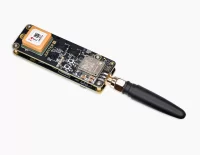
- Hardver
- Any revision
- Firmware
- 1.00 or later
Szükséges repülési részletek
Minden ellenőrizve van, amikor hozzáadod a repülést- Your own flightFrom an altimeter on your account, and a real flight rather than a test.
- Motor addedAdded to the flight on its flight page.
- Two stageCounted from the stages of the motors added on the flight page.
- Lift-off weightEntered on the flight page.
- Launch siteSet on the flight page.
- Launch date and timeSet on the flight page.
- Launch weatherAdded to the flight once its site, date and time are set. Altitudes here are corrected for it.
- Flown during the challengeOn or after 5 Nov 2026.
Az altimétere a légnyomás alapján számít ki magasságot egy standard atmoszféra használatával: a tengerszinti nyomás és hőmérséklet a beállításaiban, általában 1013,25 hPa és 15 °C. A valódi nap ritkán szabványos. A hideg levegő sűrűbb, így az altimétere 15 °C-nak beállított hideg napon magasabb, meleg napon alacsonyabb értékeket mutat, nagyjából 1%-kal minden 3 °C-nél, ami körülbelül 2 m 200 m-nél.
Ahhoz, hogy minden repülést az elért valódi magasság alapján értékeljenek, az indítóhely, dátum és időponthoz tartozó időjárási adatokat vesszük figyelembe, és az egész naplót újraszámítjuk. Ez az ugyanaz a korrigált apogee, amit a repülés oldal mutat, és ez az, amely értékelésre kerül.