The beefy one, 100m E-motor target
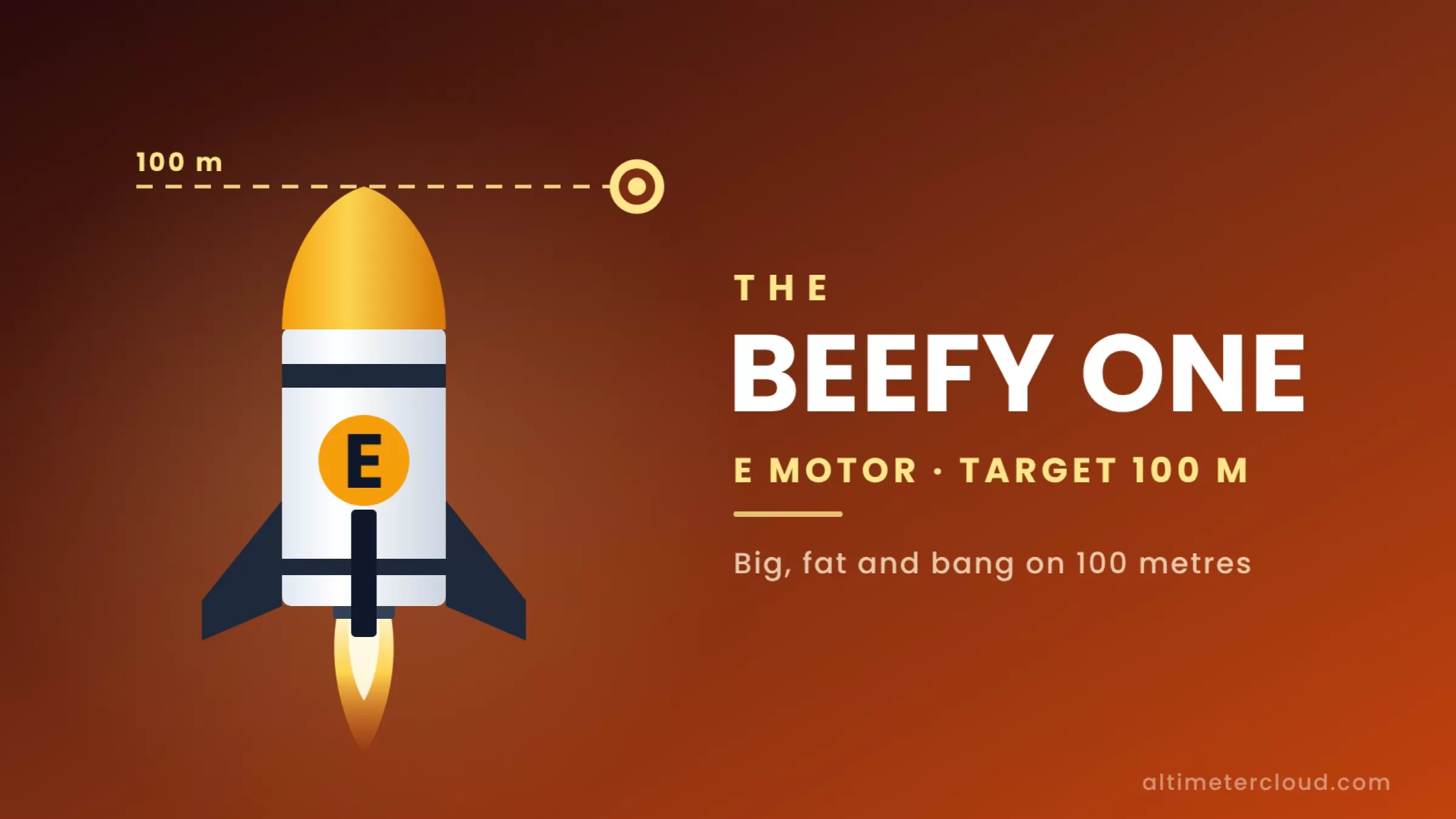
This is the beefy one. An E motor will throw a normal model rocket hundreds of metres, so to land bang on 100 m you'll need something big, fat and heavy: a proper chunky rocket that makes the motor work for every metre. The aim is simple: fly on an E motor and get your apogee as close to 100 m as you can. The closest flights top the leaderboard.
Célérték: 100 m
A kihívásról
This is the beefy one. An E motor will throw a normal model rocket hundreds of metres, so to land bang on 100 m you'll need something big, fat and heavy: a proper chunky rocket that makes the motor work for every metre.
The aim is simple: fly on an E motor and get your apogee as close to 100 m as you can. The closest flights top the leaderboard.
Which motors count as an E?
Any motor with 20.01 to 40 Ns of total rated impulse, such as the 24 mm Estes E9 and E12, or Aerotech's E composites. The class goes by the total for the whole flight, so two E motors in a cluster make an F and won't count.
Tips for hitting 100 m
- Go wide. A fat body tube and a blunt nose cone add drag, and here drag is your friend.
- Add weight in the nose. It brings the apogee down and keeps the rocket stable at the same time.
- Stay within the motor maker's maximum lift-off weight, and use a long enough rod or rail that the rocket is moving fast enough to be stable when it leaves.
- Run it in a simulator first and adjust the nose weight until it predicts 100 m, then fine-tune from your first flight.
- Pick a short delay. A heavy rocket doesn't coast for long.
- Fly on a calm day. A slow, heavy rocket turns into the wind more, and that costs height in ways that are hard to predict.
- Weigh the rocket ready to fly and enter the lift-off weight on the flight page.
Entering your flight
Upload the flight as normal, then on its flight page add the motor and the lift-off weight, and set the launch site, date and time. Then open the Add my flight tab here and pick it. Your altimeter's accelerometer measures the burn, which proves the motor really was an E.
Heights are corrected for the day's weather, so everyone is aiming at the same 100 m.
Fly safely, and follow the safety code of your club or national association.
Az altimétere a légnyomás alapján számít ki magasságot egy standard atmoszféra használatával: a tengerszinti nyomás és hőmérséklet a beállításaiban, általában 1013,25 hPa és 15 °C. A valódi nap ritkán szabványos. A hideg levegő sűrűbb, így az altimétere 15 °C-nak beállított hideg napon magasabb, meleg napon alacsonyabb értékeket mutat, nagyjából 1%-kal minden 3 °C-nél, ami körülbelül 2 m 200 m-nél.
Ahhoz, hogy minden repülést az elért valódi magasság alapján értékeljenek, az indítóhely, dátum és időponthoz tartozó időjárási adatokat vesszük figyelembe, és az egész naplót újraszámítjuk. Ez az ugyanaz a korrigált apogee, amit a repülés oldal mutat, és ez az, amely értékelésre kerül.
Hogyan működik
- First win
- Apogee within 3.0 m of the target
- After that
- Get 0.6 m closer than the last winning result
- Your own result
- Beating it pays again
- Points paid
- Once we have checked the entry
- Dates
- From 5 Nov 2026
Szükséges altimételek
A repülést az azt rögzítő magasságmérő alapján ellenőrzik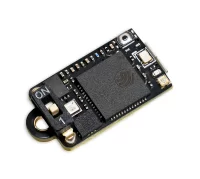
- Hardver
- Rev 4 or later
- Firmware
- 1.65 or later
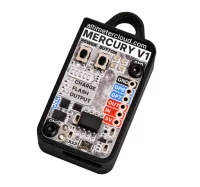
- Hardver
- Rev 1 or later
- Firmware
- 2.50 or later
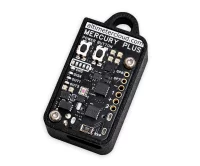
- Hardver
- Any revision
- Firmware
- 1.02 or later
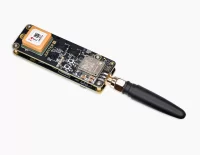
- Hardver
- Any revision
- Firmware
- 1.00 or later
Szükséges repülési részletek
Minden ellenőrizve van, amikor hozzáadod a repülést- Your own flightFrom an altimeter on your account, and a real flight rather than a test.
- A E motorAdded on the flight page. The class is the total rated impulse of the flight's motors: E is 20.01 to 40 Ns.
- Single motorOne motor on the whole flight: no cluster and no staging.
- Single stageCounted from the stages of the motors added on the flight page.
- Motor proven by its burnThe total impulse measured from the altimeter's accelerometer and the lift-off weight has to be within 20% of the rated motor, as NFPA 1125 allows.
- Lift-off weightEntered on the flight page.
- Launch siteSet on the flight page.
- Launch date and timeSet on the flight page.
- Launch weatherAdded to the flight once its site, date and time are set. Altitudes here are corrected for it.
- Flown during the challengeOn or after 5 Nov 2026.
Az altimétere a légnyomás alapján számít ki magasságot egy standard atmoszféra használatával: a tengerszinti nyomás és hőmérséklet a beállításaiban, általában 1013,25 hPa és 15 °C. A valódi nap ritkán szabványos. A hideg levegő sűrűbb, így az altimétere 15 °C-nak beállított hideg napon magasabb, meleg napon alacsonyabb értékeket mutat, nagyjából 1%-kal minden 3 °C-nél, ami körülbelül 2 m 200 m-nél.
Ahhoz, hogy minden repülést az elért valódi magasság alapján értékeljenek, az indítóhely, dátum és időponthoz tartozó időjárási adatokat vesszük figyelembe, és az egész naplót újraszámítjuk. Ez az ugyanaz a korrigált apogee, amit a repülés oldal mutat, és ez az, amely értékelésre kerül.