1337's a pretty good target
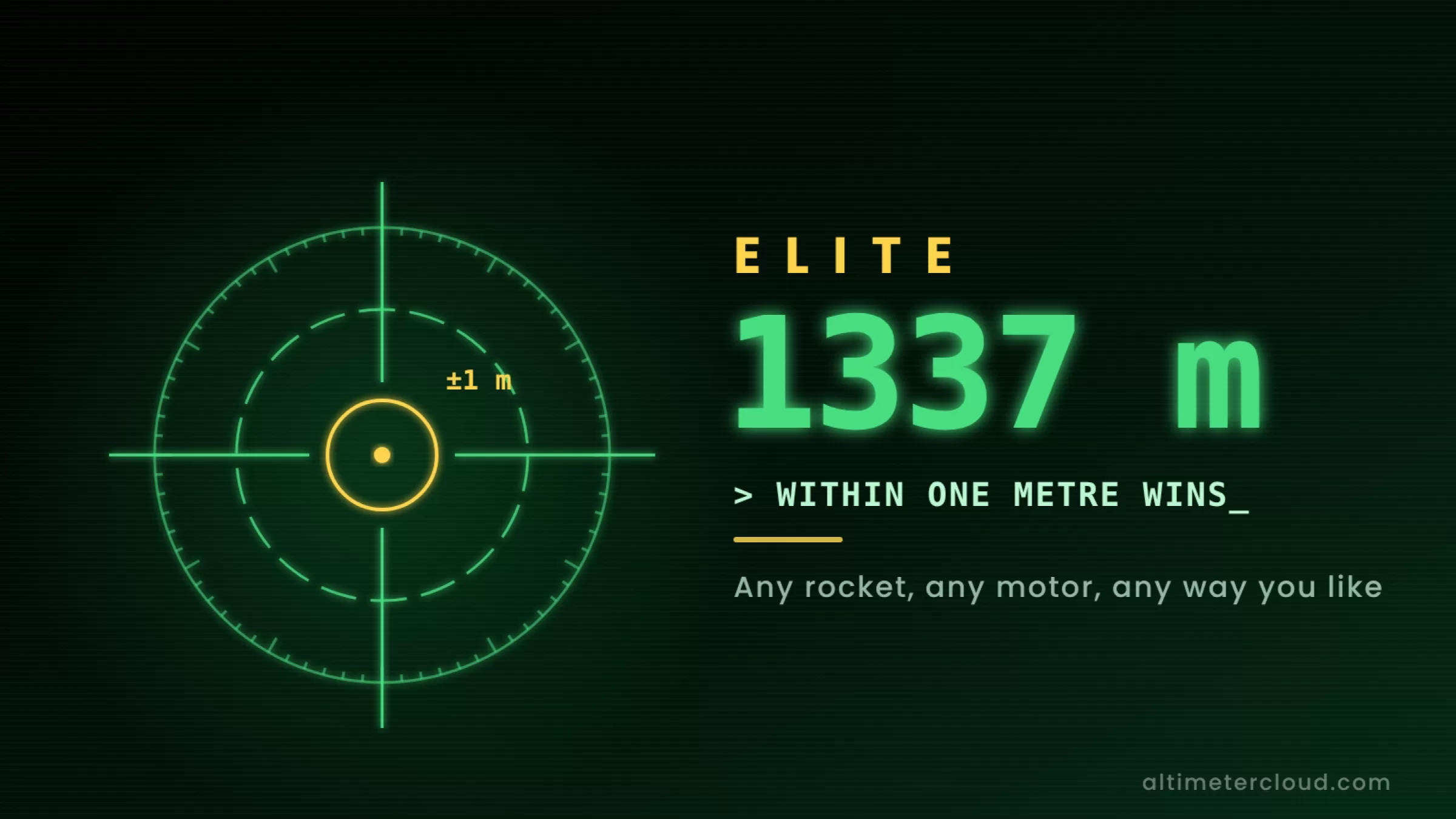
This is the elite one. We don't care how you get there: any rocket, any motor, any number of stages. Just get your apogee within one metre of 1337 metres. Everyone who manages it wins the points, once each. Fly as often as you like: your later flights go on the leaderboard, but the points are paid once per flyer.
Target: 1337 m
About this challenge
This is the elite one. We don't care how you get there: any rocket, any motor, any number of stages. Just get your apogee within one metre of 1337 metres.
Everyone who manages it wins the points, once each. Fly as often as you like: your later flights go on the leaderboard, but the points are paid once per flyer.
Why it's hard
1337 m is a high power flight, and one metre is less than a tenth of a percent of it. A gust, a degree off vertical or a few grams of paint is enough to miss. A simulation gets you close; landing inside a one metre window takes control.
How the elite do it
- Airbrakes. A flight computer that opens drag flaps during the coast can trim the apogee onto the target as it flies.
- Simulate with your real weights and motor, then aim a little high so the airbrakes have something to take off.
- Fly on a calm day, straight up, from a long rail.
- Check the clearance first. 1337 m is nearly 4,400 feet, more than many UK sites allow, so plan the flight to the site and your certification.
- Weigh the rocket ready to fly and enter the lift-off weight on the flight page.
Entering your flight
Upload the flight as normal, then on its flight page add the motor and the lift-off weight, and set the launch site, date and time. Then open the Add my flight tab here and pick it.
Heights are corrected for the day's weather, so the target is the real 1337 m, not whatever your altimeter's settings make it.
Fly safely, and follow the safety code of your club or national association.
Your altimeter works out height from air pressure using a standard atmosphere: the sea-level pressure and temperature in its settings, usually 1013.25 hPa and 15 °C. The real day is rarely standard. Cold air is denser, so an altimeter set for 15 °C reads high on a cold day and low on a warm one, by roughly 1% for every 3 °C, which is about 2 m at 200 m.
So every flight is judged on the height it really reached, we take the weather added to your flight for its launch site, date and time, and recalculate the whole log with it. It's the same adjusted apogee the flight page shows, and it's the one that scores.
How it pays
- To win
- Apogee within 1.0 m of the target
- Pays
- 5,000 points to every flyer who makes it
- Once each
- Your later flights go on the leaderboard but don't pay again
- Points paid
- Once we have checked the entry
- Dates
- From 5 Nov 2026
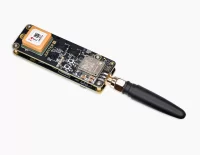
Required altimeters
The flight is checked against the altimeter that recorded it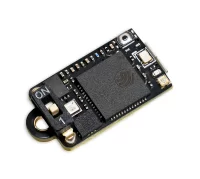
- Hardware
- Rev 4 or later
- Firmware
- 1.65 or later
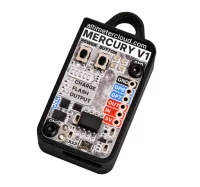
- Hardware
- Rev 1 or later
- Firmware
- 2.50 or later
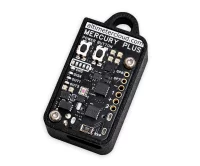
- Hardware
- Any revision
- Firmware
- 1.02 or later
- Hardware
- Any revision
- Firmware
- 1.00 or later
Required flight details
Everything is checked when you add a flight- Your own flightFrom an altimeter on your account, and a real flight rather than a test.
- Motor addedAdded to the flight on its flight page.
- Launch siteSet on the flight page.
- Launch date and timeSet on the flight page.
- Launch weatherAdded to the flight once its site, date and time are set. Altitudes here are corrected for it.
- Flown during the challengeOn or after 5 Nov 2026.
Your altimeter works out height from air pressure using a standard atmosphere: the sea-level pressure and temperature in its settings, usually 1013.25 hPa and 15 °C. The real day is rarely standard. Cold air is denser, so an altimeter set for 15 °C reads high on a cold day and low on a warm one, by roughly 1% for every 3 °C, which is about 2 m at 200 m.
So every flight is judged on the height it really reached, we take the weather added to your flight for its launch site, date and time, and recalculate the whole log with it. It's the same adjusted apogee the flight page shows, and it's the one that scores.