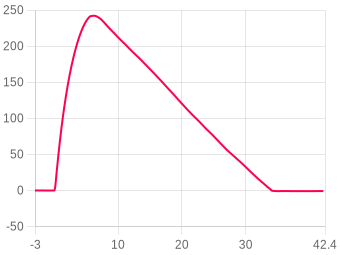
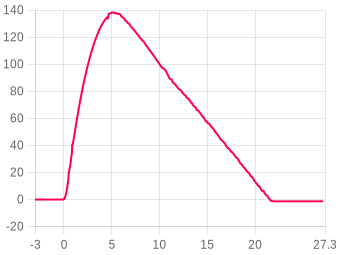
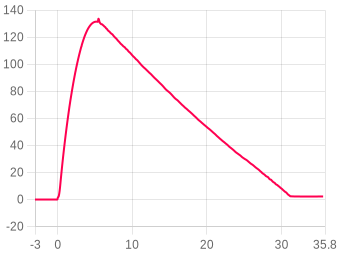
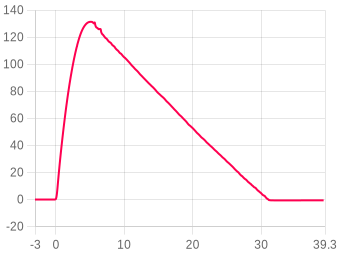
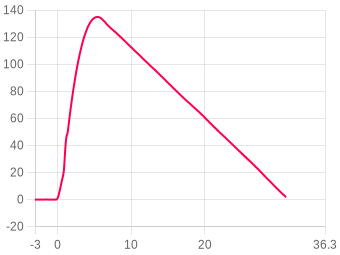
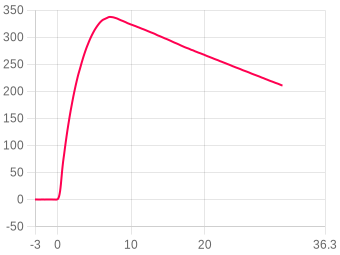
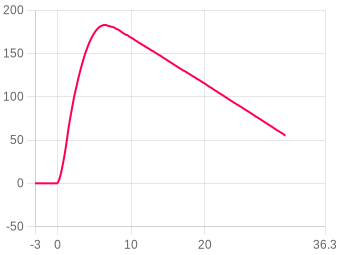
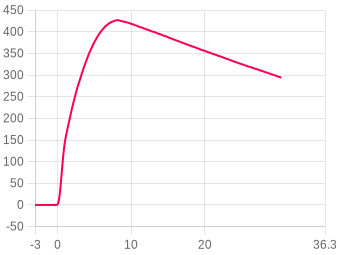
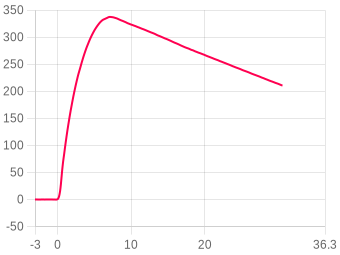
Distance
You can choose which units to use for distance from Meters(m), Feet(ft), Miles(mi) & Kilometers(km)
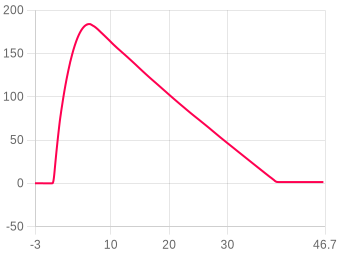
Velocity
You can pick which units to use for Velocity/speed such as Meters per second (m/s), Feet per second (ft/s), Miles per hour (mph) and Kilometers per hour (kph)
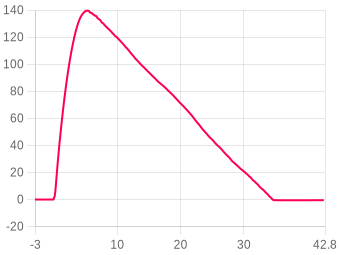
Acceleration
You can choose acceleration units to display from either Meters per second squared (m/s^2) or Gravity (G)

Nova Payloader (6) flight 33 (Zeta 0010)
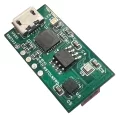
Zeta Rocketry Zeta II · imported log
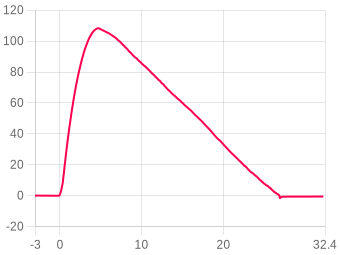
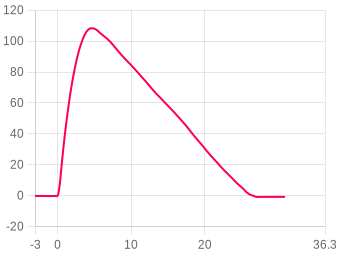
Apogee
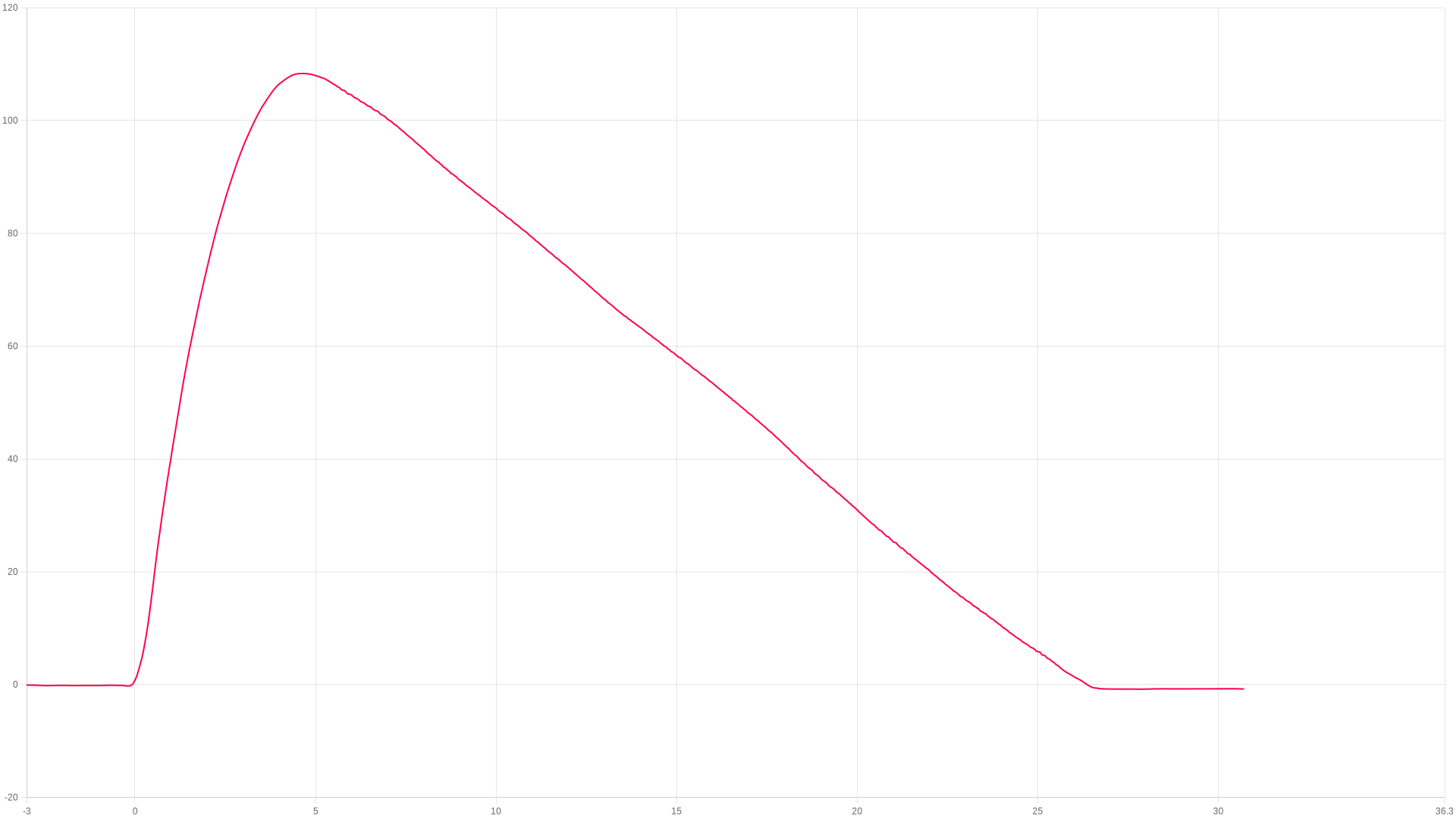
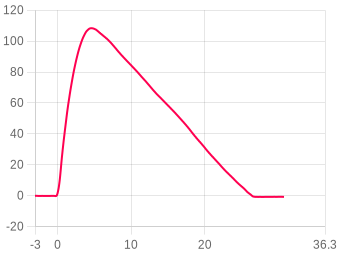
108.34m
4.65 s after launch
Max ascent
48.47m/s
peak ascent
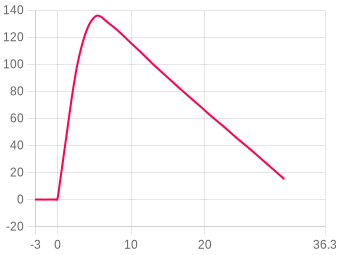
Max during burn
21.49G
during the burn
Recording
30.71s
log ends at -0.8 m
Zeta Rocketry Zeta II
Third party device
This log was uploaded from a Zeta Rocketry Zeta II, a non AltimeterCloud device.
⚠The accelerometer reached the limit of its 16 G range for 300 ms during the burn, so the peak acceleration, thrust and impulse here may read low.
ZOOM TO
s
s
Show events
Download
Adjust temp & pressure ?
Image
Zooming
Drag to zoom, pinch on mobile
Compare flight ?
Something look wrong with this flight's data?
Tell us what looks wrong and we'll look into it. It helps us find and fix problems in the firmware and on the site, and we can correct this flight.
You're not logged in, so we can't let you know when we've looked into it.
Flight summary

The flight, moment by moment

Liftoff
0 s
Found bythe climb in its pressure
Logging20/s
Rail angle0.67°
Burnout
0.35 s
Altitude10.15 m
Velocity57.070 m/s
Apogee
4.65 s
Altitude108.34 m
TruePath apogee108.34 m
Ejection
5 s
Altitude107.97 m
Velocity-1.84 m/s
Log ends
30.71 s
Altitude-0.78 m
Logging20/s
Altitude
Apogee108.34 m
Time to apogee4.65 s
Apogee, TruePath108.34 m at 4.65 s
Apogee stated by the Zeta Rocketry Zeta II108.3 m
Highest estimated apogee (device)111.1 m at 4.95 s
Highest raw altitude108.41 m at 4.6 s
Highest altitude as the Zeta Rocketry Zeta II recorded it108.4 m at 4.6 s
Highest filtered altitude108.3 m at 4.5 s
Velocity
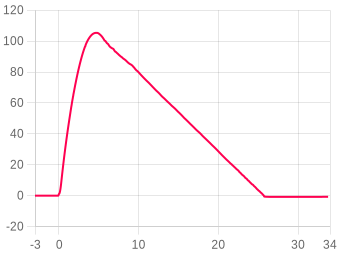
Max ascent, TruePath48.47 m/s at 0.55 s
Max ascent, raw (device)54.9 m/s at 0.5 s
Max descent, TruePath-6.19 m/s at 18.16 s
Typical descent rate, TruePath5.21 m/s
Velocity at burnout57.070 m/s
Max acceleration (device)24.62 G at 26.56 s
Times
Liftoff0 s
Burnout0.35 s
Ejection5 s
Log ends30.71 s
General
AltimeterZeta Rocketry Zeta II
Rail angle ?0.67°
Serial number0010
Firmware1.3
Competitor number89040
Read out2026-07-27 15:34
Temperature assumed15.0 °C
Log formatZeta Rocketry (ZetaPost .zta)
Upload date01/11/26-03:48:45
Data samples720
Total recording time35.964 s
Logging rate20/s
Imported from the log file the Zeta Rocketry Zeta II wrote. Its own figures are shown as it recorded them; the TruePath figures are worked out here on the website from its altitude column.
Something look wrong with this flight's data?
Tell us what looks wrong and we'll look into it. It helps us find and fix problems in the firmware and on the site, and we can correct this flight.
You're not logged in, so we can't let you know when we've looked into it.
User notes
No notes added
Add this device to your account to edit
Youtube video
No video added
Add this device to your account to edit
Flight images 0
No images added
Flown as
Rocket
Estes Industries
Motor configuration
Custom
1× Quest B14T-5, set on this flight
Loaded weight
82.1 g
estimated, none entered

Measured burn

from this flight’s thrust
Total impulse, NFPA 1125needs the weight
rated 4.97 Ns
Burn time, NFPA 11250.30 s
0.00 to 0.30 s
Peak thrustneeds the weight
at 0.05 s
⚠The accelerometer reached the limit of its 16 G range for 300 ms during the burn, so the peak acceleration, thrust and impulse here may read low.
⚠This altimeter has no gyroscope, so full accuracy may be impacted in our impulse and drag calculations: the speed the drag is worked out from comes from pressure alone, where an altimeter with a gyroscope gives a fused speed.
With no loaded weight the impulse would only give the motor’s rating back, so it waits for the weight. The burn time is measured either way.
Flight motors
1st stage · 5s delay
1×B14T-5QuestDetails
Burn time
0.38 s
Diameter
18.00 mm
Average thrust
13 N
Max thrust
17.65 N
Total weight
16.10 g
Propellant weight
2.30 g
Propellant type
Blue Thunder
Impulse4.97Ns
Max thrust17.6N
Burn time0.38s
Impulse classB
1st stage thrustloading curve…
Motor data by ThrustCurve.org
Add this device to your account to edit
Linked rocket
Active
1 photo
Nova Payloader (6)
Estes Industries — Nova Payloader
8 flights linked
Type
Kit build
Diameter
25mm
Length
552mm
Empty weight
53g
Mod
Modified
Stages
1
Fins
3
Recovery
Parachute
Chute
30cm
Body
Kraft paper
💬 No comments yet

Linked flights

Connect flights that belong together: a second altimeter flown in the same rocket, or the same rocket flown again. Linked flights appear on each other’s pages.

Apogee spread108.3 – 108.34 m
#2693 · Nano V1Same rocket · same day108.3 mView flight →

Launch site, date & time

Click anywhere on the map to mark your launch site. Switch between map and satellite view using the buttons below.

Imagery © Esri, Maxar, Earthstar Geographics

Click the map to place a marker · Drag to adjust

Canopy height from the Meta and WRI High Resolution Canopy Height Maps v2 (Meta and World Resources Institute, 2026; source imagery © 2016 Vantor), used under CC BY 4.0. Ground elevation built from Terrain Tiles (Mapzen and AWS Open Data), derived from 3DEP and GMTED courtesy of the U.S. Geological Survey, SRTM courtesy of NASA, and ETOPO1 courtesy of NOAA. Map and imagery credited on the view above.

No launch site has been set for this flight.

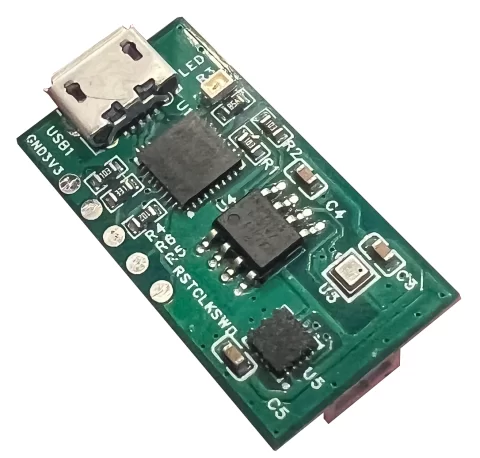
Zeta Rocketry Zeta II
Zeta Rocketry

Zeta II

Another make of altimeter. This flight was imported from its log file, and its owner calls it Zeta 0010.
Serial 0010Firmware 1.3Log format ZetaPost .zta

Specifications

Electronics

Microcontroller
ATSAMD21E1832-bit Cortex M0+, 48 MHz microcontroller
Accelerometer
ST LIS3DH16 g
Barometer
Bosch BMP580300 to 1250 hPa

Logging

Maximum sample rate
20 Hz
Most samples in a log
720
Longest log
36 sAt 20Hz, 6 seconds pre launch and 30 seconds from launch
Something wrong or missing?
Change what's wrong for the Zeta Rocketry Zeta II and send it. We check every suggestion before it goes on the site.
MicrocontrollerDimensionsWeight, device alone (g)Weight with its smallest battery (g)Battery voltage, lowest (V)Battery voltage, highest (V)Battery lifeMaximum sample rate (Hz)Most samples in a logLongest log (s)Longest log, how measured
Add a manual, 3D model or document
You're not logged in, so we can't let you know when it has been looked at.

Size, weight and battery

Size
15 x 25mm
Weight
1.67 g3.04 g with the smallest battery
Battery voltage
3.7 V
Battery life
2.5 hourson the smallest battery

Documents

Flights from this altimeter model

9 of 9
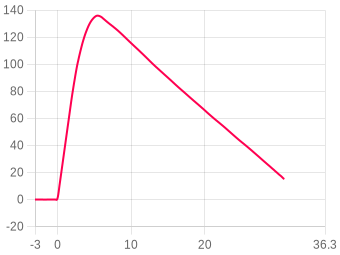
The log

Other makes of altimeter keep their settings on the device and do not write them into the log, so there are none to show here. This is what the file itself told us.
This flight
Log formatZeta Rocketry (ZetaPost .zta)
Upload date01/11/26-03:48:45
Data samples720
Total recording time35.964 s
Logging rate20 per second
ProcessingTruePath, on the website
Getting logs off the Zeta Rocketry Zeta II
Read the flight off the altimeter with ZetaPost and upload the .zta file it saves. It carries the raw pressure and all three accelerometer axes, so the altitude, burnout and thrust are worked out here. The logs we have each hold 36 seconds, so a long descent may end in the log before it lands.

Files

Where the altimeter signs its log, the file carries that signature and a tick beside it. A tick means the data is unchanged since the device wrote it, which is what a record claim needs.
CSV
3192.csv
The log as columns of text. Opens in a spreadsheet, and in every simulator that reads flight data.
65 KB
Adjusted CSV2904 recalculated in your browser
The log recomputed for your own sea-level pressure and temperature. Columns: time, altitude as recorded and adjusted, raw altitude as recorded and adjusted, pressure.

This file is built here from the signed log, so it carries no signature of its own. Anyone verifying a claim should be sent to the flight page and build their own from the original.

Custom CSVbuilt in your browser
Pick any of the chart’s data sets, the worked-out ones included, and the part of the flight to cover. Values come in the units the chart is set to.
In the file
Time span

One row for every time any chosen data set has a sample. A data set with no sample at that time is left blank rather than filled in. Built from the chart’s data, so it carries no signature.

Sign in to leave a comment.